

Teaching AI ethics without shortcuts
claude-desktop builds online lectures that treat AI ethics as a discipline - not a checklist. Grounded in real cases, structured for sequential thinking, and designed to hold attention from the first minute to the last.
Built around Claude code
Demonstrations inside the lectures use Claude code to show how AI systems behave - not in theory, but in observable, repeatable steps learners can follow along with.
The people behind the lectures
Three specialists with distinct backgrounds collaborate on every module - one focused on policy and law, one on technical systems, one on pedagogy. That combination keeps the material grounded without becoming narrow.

Odessa Brinkworth
Researches algorithmic accountability with a focus on how automated decisions affect people who have no visibility into the systems judging them.
Odessa has contributed to public comment processes on automated decision-making in housing and benefits systems. Her lectures connect those real cases directly to the ethical frameworks learners are studying, avoiding the abstraction that makes most ethics instruction feel disconnected from practice.
Fenwick Hale
Spent years building and auditing machine learning pipelines before moving into education. Brings that operational experience into every technical segment of the curriculum.
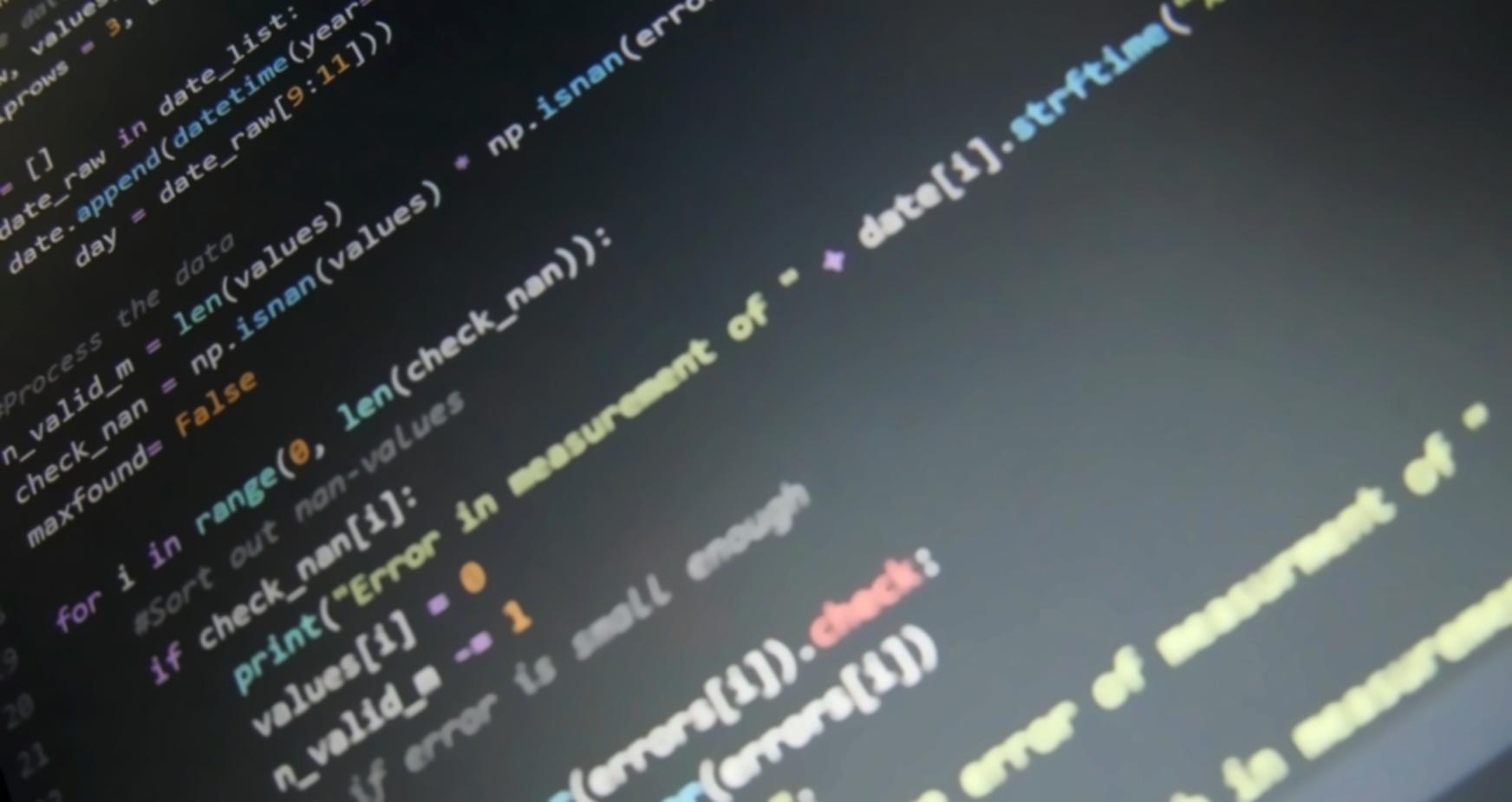
Fenwick designs the hands-on segments where learners observe Claude code in action - tracing how a model responds to different prompt structures, where outputs shift, and what those shifts suggest about underlying training decisions. The goal is observation, not advocacy for any particular tool.
Rosalind Kettner
Shapes how content is sequenced and paced so that complex ideas build on each other rather than arriving as isolated concepts. Responsible for the structure learners actually experience.
Rosalind applies a staged disclosure model - each lecture releases just enough of the next idea to keep learners oriented without overwhelming them. She reviews every module for cognitive load before it goes live, which means the pacing reflects actual learning patterns rather than what feels natural to a subject-matter expert.